CORTE FUSIA
Why Monte Orfano, and who are Daniele & Gigi?
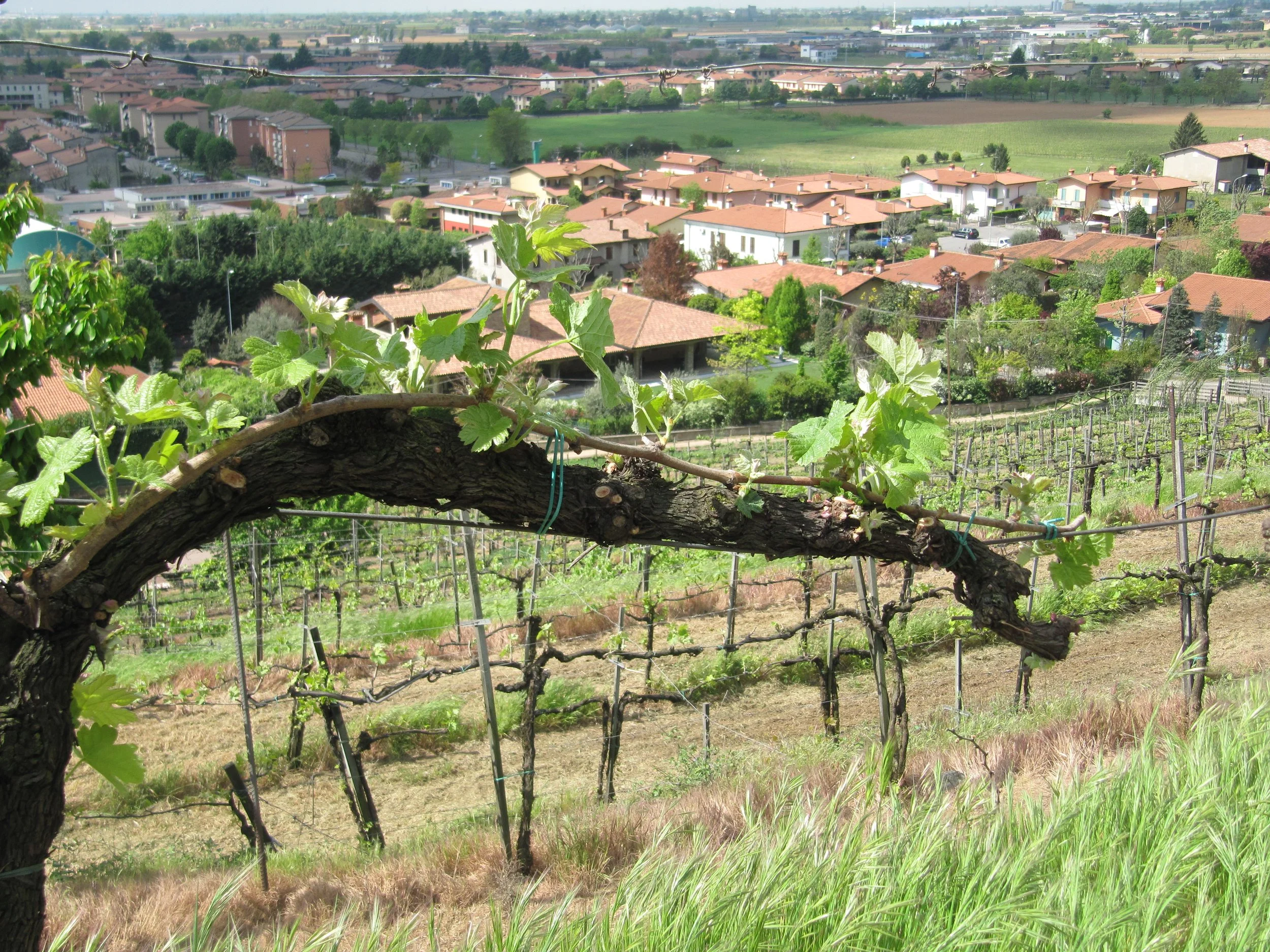
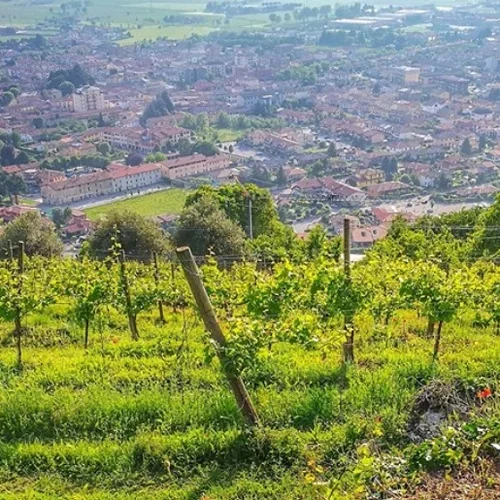
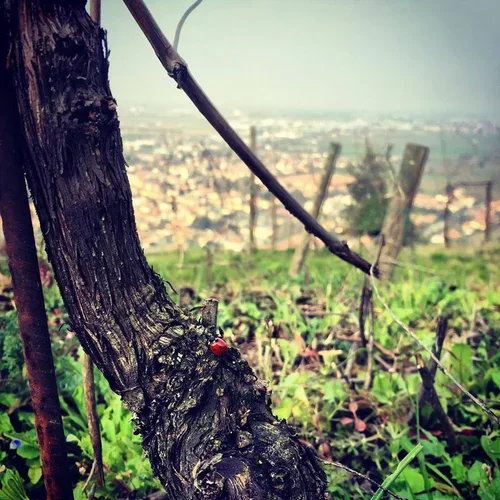
The Franciacorta region is a mosaic of distinct terroirs, each capable of producing wines with distinct characteristics. Among this patchwork of lands with varying altitudes and soil compositions, the area along the southern border, Monte Orfano, the oldest part, is critical. Here, on the hills of Monte Orfano, in CORTE FUSIA’S vineyard, you will find a high presence of limestone and coarse pebble soils, along with a higher temperature and chilling night winds. The combination of these sets the area apart from the rest of Franciacorta (which is mostly low-lying) and, compared to other areas, enables this particular patch of land to produce higher-quality, more profound wines.
About the hill of Monte Orfano- From a geological point of view, the terroir is a "conglomerate": a clastic sedimentary rock made up of gravelly and pebbly elements of various sizes cemented together by finer sands of calcarenite matrix, red clay, and limestone. These characteristics yield deep mineral notes, enhancing the wine's unique body and flavor and producing fuller, more structured wines from grapes with fewer characteristics.
-
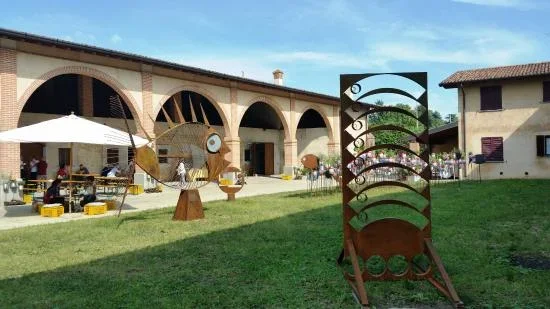
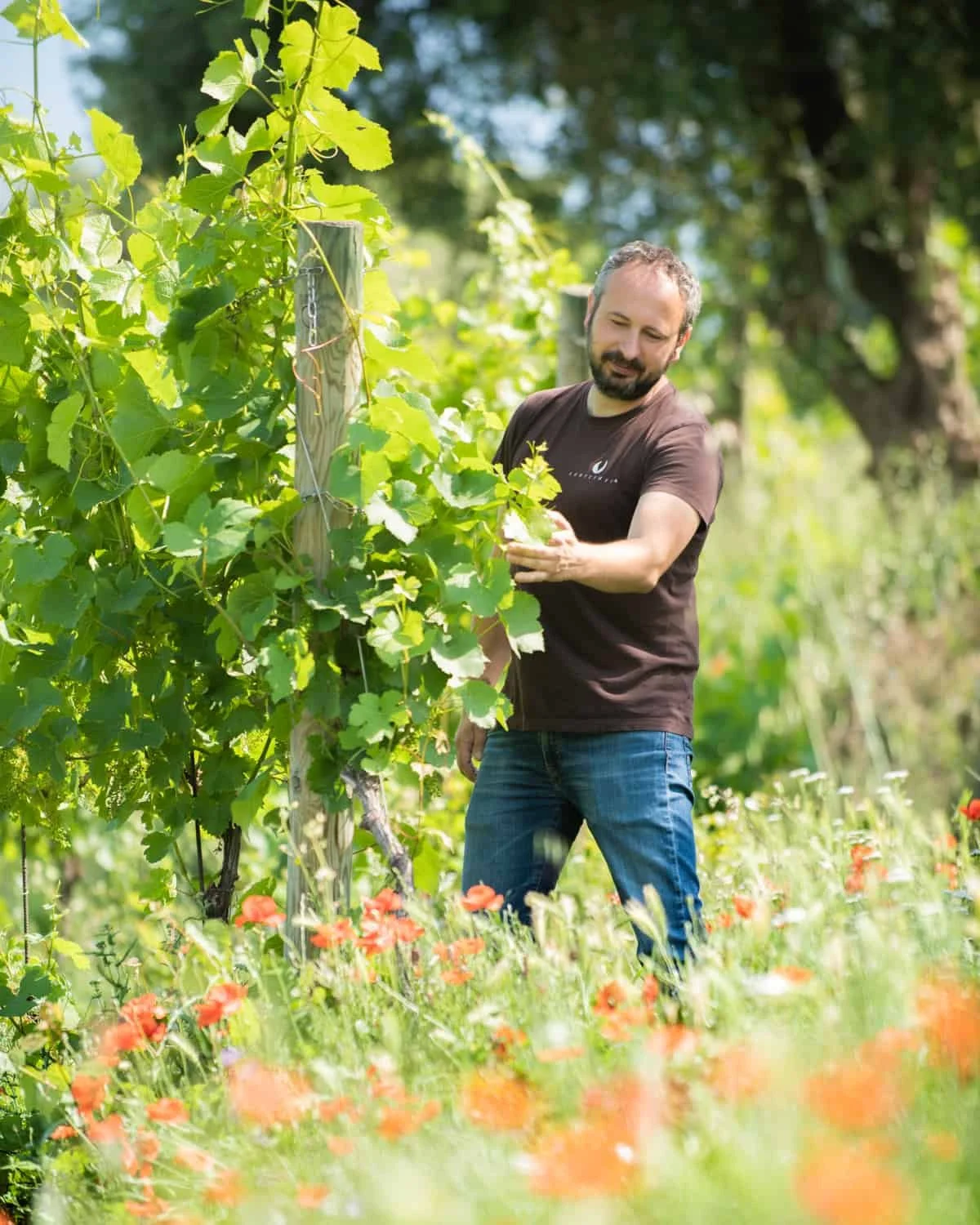
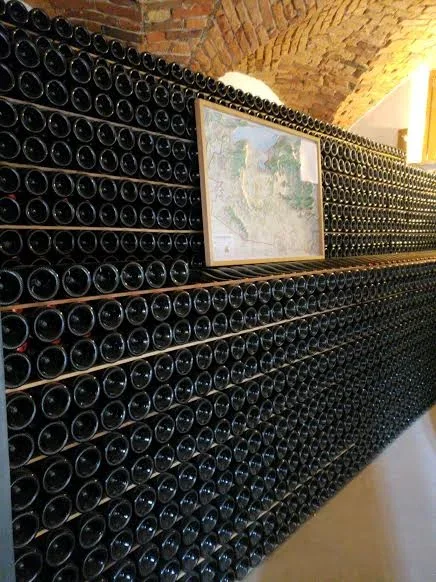
Many of the most important vineyards in recent decades were abandoned. With significantly higher management costs associated with terraced lands on the hillside, many of the 'names' retreated to the flatlands to take advantage of easier field management. This translates to grapes with fewer characteristics, born from soil that lacks the depth to bring out all that is Franciacorta. Corte Fusia invests significant effort in its lands and, with pride and a desire to revive two century-old vineyards, has restored them. They have terraced vineyards on the hill at various elevations. Pieces here and there. There's a 100% hands-on job - outstanding commitment, longer hours, and more attention that you can taste in the bottle. You get what you give.
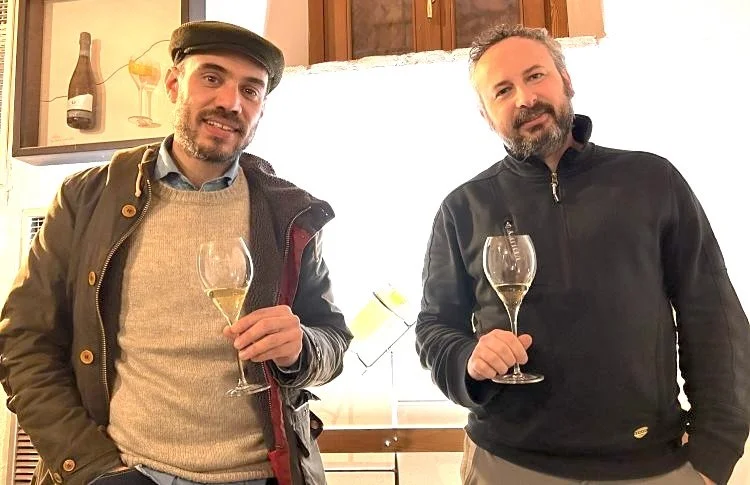
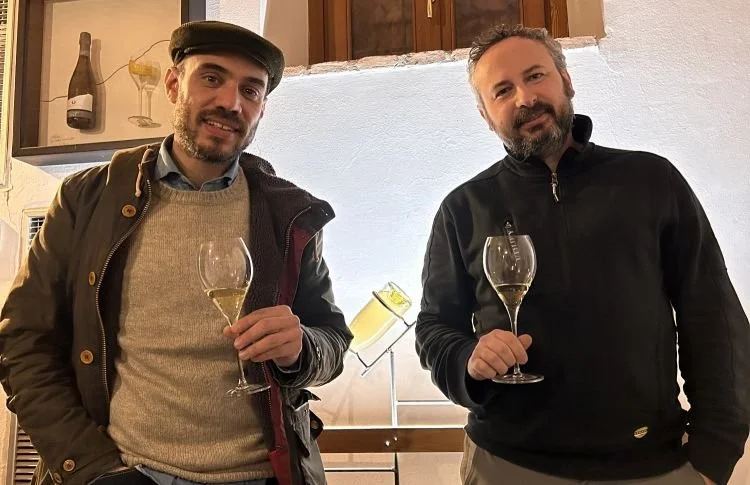
Daniele Gentile and Gianluigi (Gigi) Nembrini have roots here, dating back to their birth in 1982. Friends since childhood, they are separated by less than 30 days in age. They grew up with Monte Orfano behind them, not knowing their friendship would marry into a partnership. These young men envision heightening Franciacorta to a position comparable to the finest Sparkling wines. With studies and passion under their belts, they carved out a name for themselves: Corte Fusia. They have revived time-forgotten vineyards, lavishing them with love and replanting when needed, all on the southern-facing hill of Monte Orfano. They grow classic grapes - Pinot Nero (Noir), Chardonnay, and Pinot Bianco- for their classic wines, obeying their dogma, which means maximum respect and less invasiveness. Their dogma is present from the fields to the winery, a family property that has given life to their legacy. These diligent young men make four wines - Franciacorta Brut, Franciacorta Satèn, Franciacorta Rosé, and Franciacorta Zero, and, in the very best vintages, a 5th, Riserva—intelligent wines with a heart.
WHO: Daniele Gentile and Gianluigi (Gigi) Nembrini
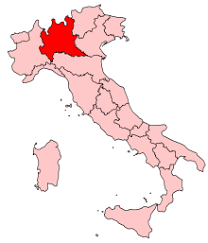
WHERE: Coccaglio, Brescia - Lombardy, Italy
FOUNDED: 2010 on established vineyards
LAND: 7 hectares of Conglomerate soil, 35+ year old Guyot and Spurred cordon trained vines, 100 -400 meters above sea level, South, southeast
VARIETALS: Pinot Nero (Noir), Chardonnay + Pinot Bianco
APPELATION: Franciacorta DOCG
VITICULTURE: Organic, hand-harvested
ANNUAL PRODUCTION: 30,000 bottles


-
•••
“Only steel is used in the cellar to preserve all the aromas of the fruit. For us, the expression of the territory within our Franciacortas is fundamental,” says Daniele.
To obtain it, they carry out a vinification process that does not involve adding anything from the outside, such as using barriques or other winemaking practices.
-
•••
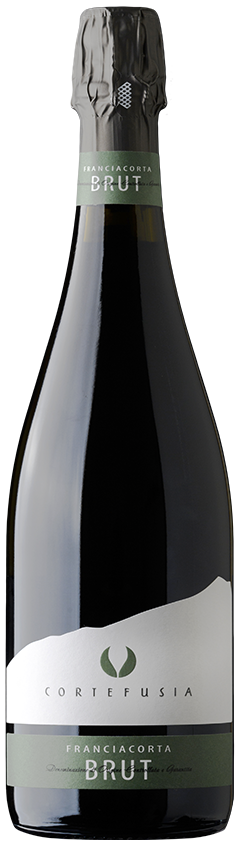
APPELLATION: Franciacorta DENOMINATION: Franciacorta Brut DOCG
VARIETAL: Chardonnay 70%, Pinot Noir 20%, + Pinot Bianco 10%
VINEYARD: on Mt Orfano, the historic vineyards of Franciacorta
SOIL:
ALTITUDE: 100 - 200 meters above sea level
EXPOSURE: south - southeast
YIELD PER HECTARE:
TRAINING SYSTEM: Guyot
VINIFICATION/REFINEMENT: The clusters are gently pressed in a pneumatic press, and the first and second fractions are kept separate. After a 12-hour gravity settling at 13°C, the must is inoculated with cultured yeasts. The cuvée is assembled in March, the liqueur of tirage is added, the bottles are capped, and the bottles are laid down for the prise de mousse. Aging Fermentation in steel and second fermentation in the bottle for 18 months
TIRAGE: the spring following the harvest.
BOTTLE SIZE: 750 ml
PACK: 6
CLOSURE: Cork
ALC: 12.5%
RESIDUAL SUGAR: <1 grams/liter
PRODUCTION: 15,500 bottles
LONGEVITY: 3-5 years
BAR CODE:•••
-
•••
90 PTS (12/2020)
White stone-fruit and yellow spring-flower aromas align with a whiff of bread crust on this elegantly sparkling wine. Bright and linear, the tangy palate offers mature yellow apple, lemon drop, and hazelnut. — Kerin O’Keefe
•••
-
•••
“We try to have our own style, but one that knows how to adapt to the different vintages. And this is something that our customers appreciate in the long run; they learn to distinguish the influences of the climate in our wines ." - Daniele
•••
-
•••
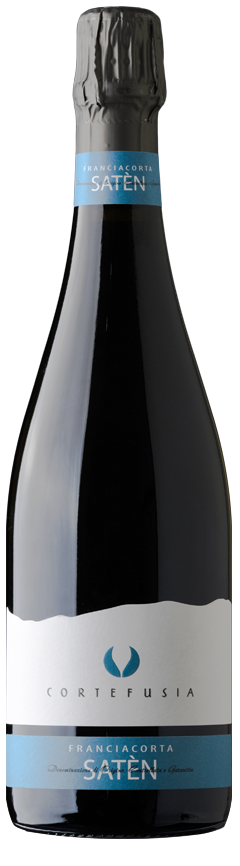
APPELATION: Franciacorta
DENOMINATION: Franciacorta DOCG
VARIETAL: 90% Chardonnay, 10%Pinot Blanc
VINEYARD: On the hills of Mt Orfano, the most historic area of Franciacorta, estate vineyards in Cologne and Coccaglio.
SOIL: fluvioglacial soils and terraced colluvia of medium fertility, with medium-deep gravel-pebble mixture.
ALTITUDE: 300 meters aove sea level
EXPOSURE: south - southeast
YIELD PER HECTARE: 95 quintals of grapes/hectare = 35 hectolitres per hectare.
TRAINING SYSTEM: Spurred cordon and guyot.
VINIFICATION/REFINEMENT: The clusters are gently pressed in a pneumatic press, and the first and second fractions are kept separate. Twelve hours after gravity settling at 13 °C, the must is inoculated with cultured yeasts. The wine is monitored during fermentation in stainless steel. The cuvée is assembled in March, the liqueur of tirage is added, the bottles are capped, and the bottles are laid down for the prise de mousse. The tiered-up bottles remain for a minimum of 30 months before riddling. The sediment is removed, and the wine is added as a dosage to the bottles.
TIRAGE: the spring following the harvest.
BOTTLES: 6,000
BOTTLE SIZE: 750 ml
PACK: 6
CLOSURE: Cork with cage
ALC BY VOL(%): 12.5
RESIDUAL SUGAR: <1 grams/liter
PRODUCTION: 6,000 bottles
LONGEVITY: 3-5 years
BAR CODE: none•••
-
•••
This Franciacorta opens with a delightful nose featuring crisp green apples, juicy pears, and an intense floral note. The wine is light, bright, and refreshing, with a lively acidity that keeps the orchard and citrus flavors vibrant and energetic. A touch of bitterness and a subtle herbal note emerge on the palate, adding an intriguing dimension to the taste experience. This sparkling wine is perfect for those who enjoy a crisp and invigorating style with a unique twist. — Jeff Porter
•••
-
•••
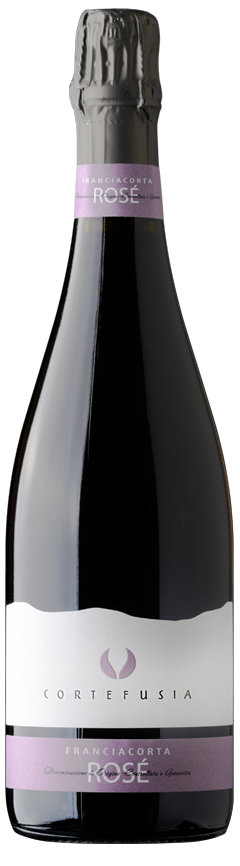
A Rosé with a strong personality,
elegant with pronounced fruitiness, with an interpretation of the Pinot Noir vinified Rosé.•••
-
•••
APPELATION: Ffanciacorta
DENOMINATION: Franciacorta DOCG
VARIETAL: 100% Pinot Noir
VINEYARD: From their estate vineyards in Cologne and Coccaglio.
SOIL: Fluvioglacial soils of medium fertility with the medium-deep gravel-pebble mixture.
ALTITUDE: 300 meters above sea level
EXPOSURE: South- southeast
YIELD PER HECTARE: 95 quintals of grapes/hectare = 55 hectolitres/hectare.
TRAINING SYSTEM:
VINIFICATION: After the crusher-de-stemmer, maceration on the skins for about 4 hours, after which the grapes are gently pressed in a pneumatic press, and the first and second fractions are kept separate. After a 12-hour gravity settling at 13 ° C, the must is inoculated with cultured yeasts. The wine consequently ferments in stainless steel at controlled temperatures. The cuvée is assembled in March, the liqueur de tirage is added to the bottles, capped, and the bottles are laid down for the prise de mousse.
MATURATION: The tiered-up bottles remain for at least 24 months before riddling. The sediment is removed, and the exact wine dosage is added to the bottles.
TIRAGE: The spring following the harvest.
BOTTLE SIZE: 750 ml
PACK: 6
CLOSURE: Cork
ALC BY VOL(%): 12.5
RESIDUAL SUGAR: <1 grams/liter
PRODUCTION: 2.000 bottles
LONGEVITY: 5+ years
BAR CODE:•••
-
•••
•••
-
•••
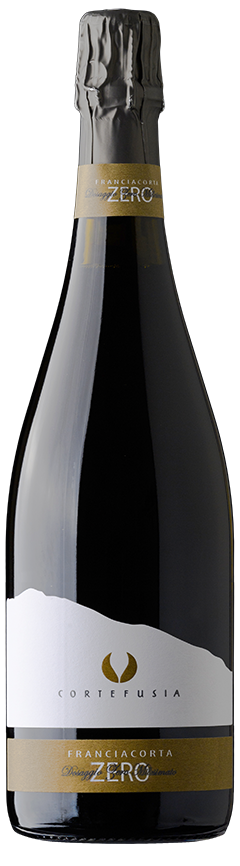
Golden Delicious, bread crust and hazelnut. Only made in the best vintages.
“Aromas of yellow apple, bread crust and hazelnut carry on to the dry, racy palate along with lemon zest, Bartlett pear and a hint of ginger. Vibrant acidity and an elegant, persistent perlage present the energized setting.
RATING 91 pts”— Wine Enthusiast: KERIN O’KEEFE
-
•••
APPELATION: Franciacorta
DENOMINATION: Franciacorta DOCG
VARIETAL: 75% Chardonnay - 25% Pinot Noir
VINEYARD: From their estate vineyards in Cologne and Coccaglio.
SOIL: Fluvioglacial soils of medium fertility with the medium-deep gravel-pebble mixture.
ALTITUDE:
EXPOSURE:
YIELD PER HECTARE: 95 quintals of grapes/hectare = 32 hectolitres/hectare.
TRAINING SYSTEM: Spurred cordon and guyot.
VINIFICATION/REFINEMENT: The clusters are gently pressed in a pneumatic press, and the first and second fractions are kept separate. After a 12-hour gravity settling at 13 ° C, the must is inoculated with cultured yeasts. The wine consequently ferments in stainless steel at controlled temperatures. The cuvée is assembled in March, the liqueur de tirage is added, the bottles are capped, and the bottles are laid down for the prise de mousse.
MATURATION: The tiered-up bottles remain for at least 40 months before riddling. The sediment is removed, and the exact wine is added to the bottles as a dosage.
TIRAGE: In the spring following the harvest.
BOTTLE SIZE: 750 ml
PACK: 6
CLOSURE: Cork and cage
ALC BY VOL(%): 12.5
LONGEVITY: 5+ years
RESIDUAL SUGAR: <1 grams/liter PRODUCTION: 3,500 bottles
LONGEVITY: 10+ years
BAR CODE:•••
-
•••
•••
CORTE FUSIA
Via degli Orti, 2, 25030 Coccaglio BS, Italy +39 328 847 1276
cortefusia.com