CANTINE BARBERA
From Marilena; a bit about winemaking and yeast-
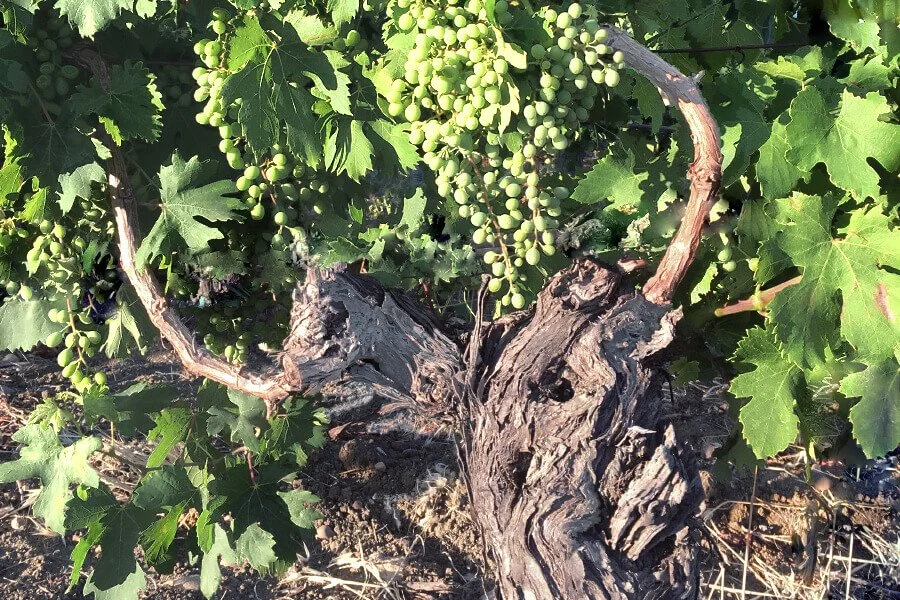
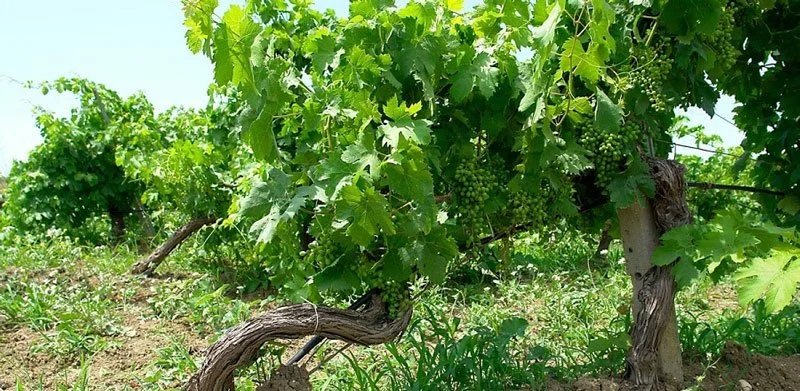
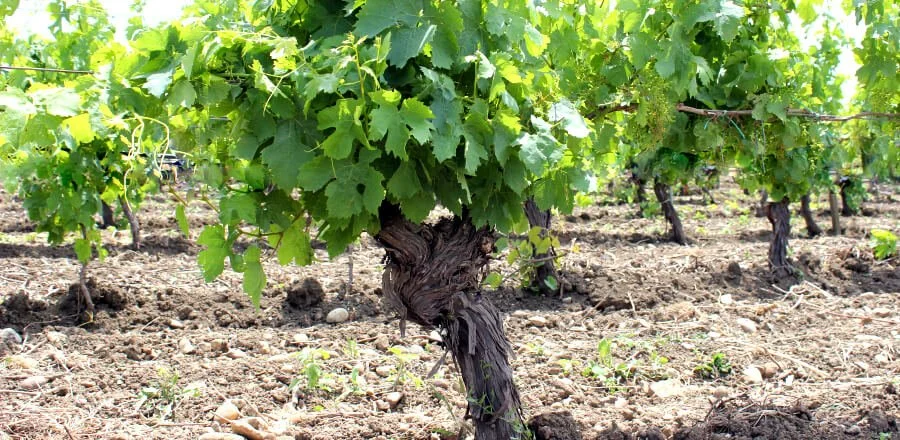
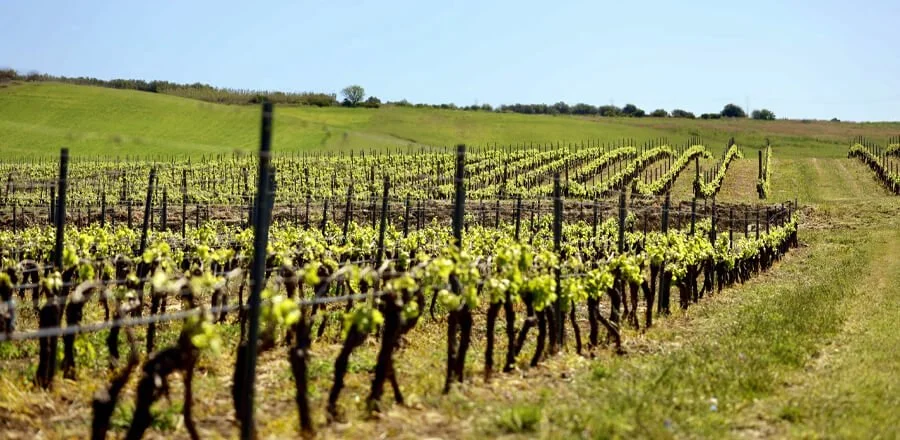
❝ I make my wines by practicing organic farming and natural winemaking while paying utmost respect to Menfi's terroir. No herbicides or synthetic fertilizers are allowed in the vineyard, nor are any other systemic farm chemicals that may alter the integrity of the environment and its rich biodiversity. At the winery, I choose to work only with spontaneous fermentation and adopt non-invasive winemaking practices to respect the unique personality of Sicilian native grape varieties and the beautiful land to which they belong. ❞
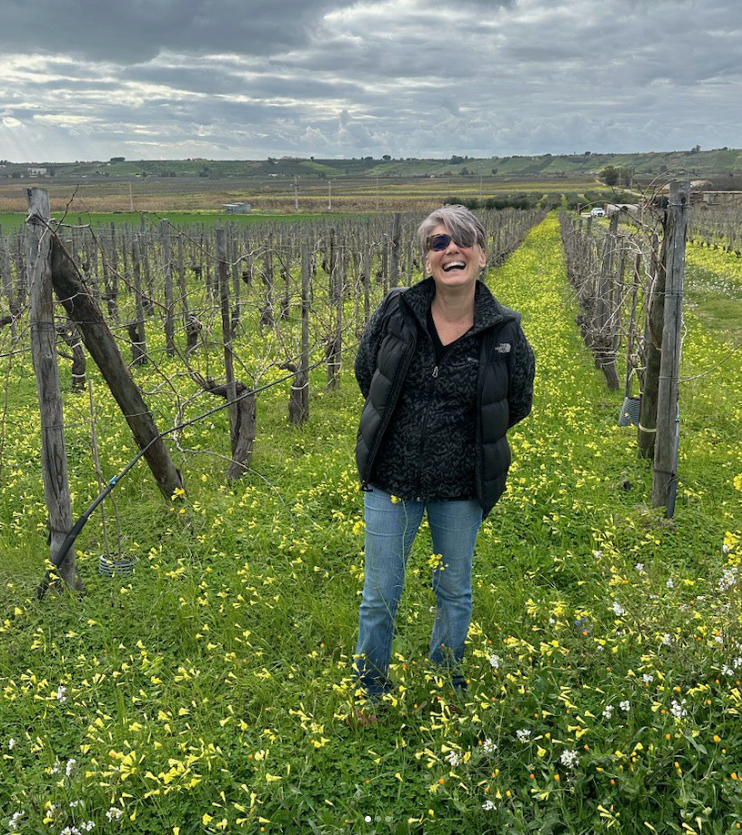
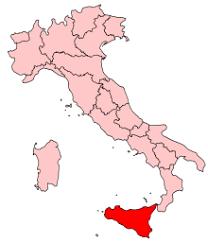
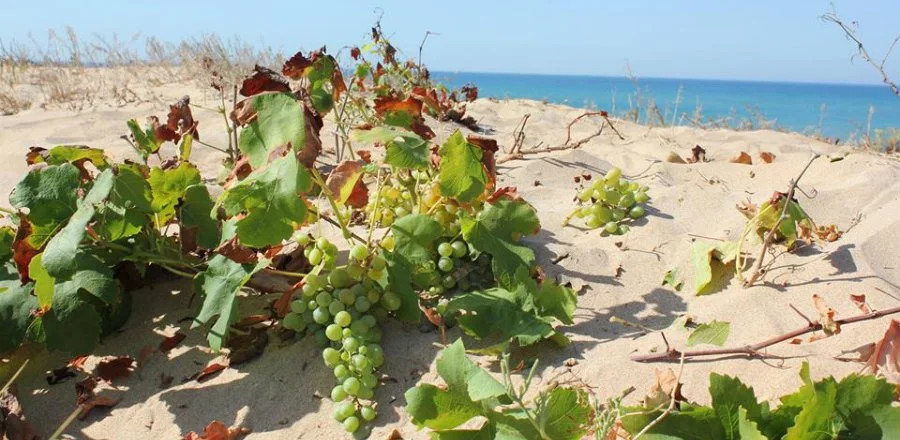
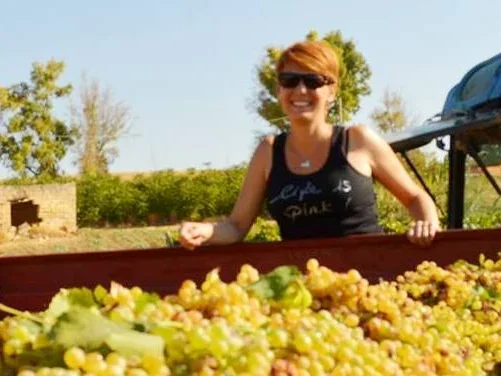
In the southwestern seaside town of Menfi, where the Belice River naturally flows into the deep blue Mediterranean Sea, you will find Marilena Barbera, more than likely with a big smile and always with deep eyes. Menfi is a hidden paradise, featuring sandy dunes, dwarf palms, wild anise, rich culture, bright sunshine, and a fresh, cooling breeze. Proprietor and winemaker Marilena Barbera was reared in this Garden of Eden; her family has been grape producers for three generations. She is a passionate woman, highly committed to natural/sustainable viticulture, and she thoroughly respects the environment where she lives and works with her family and many dogs.
-
While she still grows the ‘experimental’ grapes that her father chose over 30 years ago, Marilena embraces the region’s grape varieties with vigor: Inzolia, Grillo, Perricone, Nerello, Alicante, and Nero d’Avola; these are hers. Marilena Barbera’s white wines tend to have an unmatched, vibrant, zestful salinity. The mild winters and warm, dry summers, paired with the intense temperature ranges between night and day, impart tasty, ripe berries with a touch of sweetness that smells of the land and sea. Marilena uses only indigenous yeast for fermentation- selected and reproduced in the vineyards. The wines do not contain GMOs and have very low sulfites: no tricks, illusions, just fabulous handmade wines.
Marilena executes four series of wines every year- we present you with 3.
Who: Marilena Barbera
Where: Menfi, Agrigento • Sicily - Italy
Land: 14 hectares, 70 meters above sea level
Grapes: Grillo, Catarratto, Perricone, Catanese, Alicante, Nero d’Avola, Frappato
Appellation: Menfi DOC + Terre Siciliane IGT
Viticulture: Natural / Biodynamic = non-invasive winemaking practices
Production: 70,000 bottles




‘EASY MENFI’ SERIES
100% ready, easy to drink and share with friends, a stress-free way to discover Menfi and its distinct character.
______
Marilena on Biodynamic Farming:
❝ Traditional knowledge and sensitivity to the grapevine’s needs are the most relevant assets.
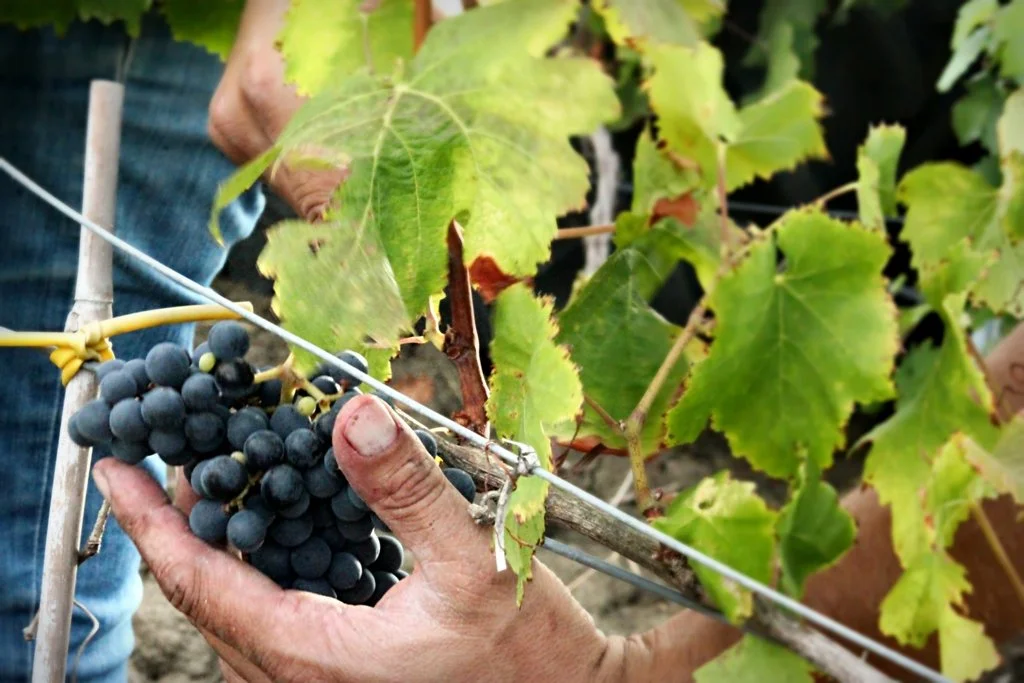
Most of the vineyard operations — pruning, canopy management, green harvest, and defoliation — are performed manually: nothing’s more effective and sensitive than human hands for a careful and respectful viticulture.
I believe that each vine should find its balance with the environment; thus, I avoid top trimming and all forcing practices, including mineral fertilization.
Sulfur and copper are used only when strictly necessary: cover crops, compost, biodynamic preparations, algae, and vegetal teas provide vines with nutrition and strength. My vineyards are certified organic and biodynamic. ❞
Marilena on protecting her wines:
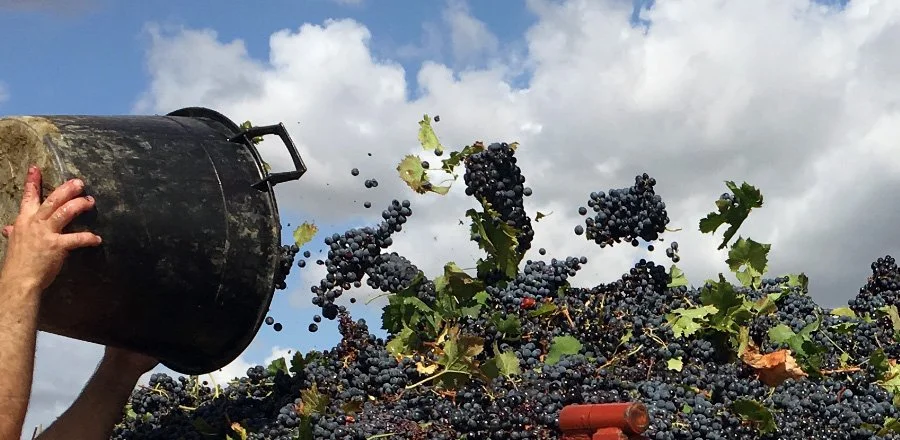
❝ My main choice for protecting my wines from oxidation is night-harvesting: picking during the freshest hours and pressing the grapes immediately are essential to preserve their amazing aromatic complexity and personality.
After a few years of experimentation, I found that fining is not a good idea for my wines: I prefer natural stabilization through prolonged lees contact, which is enhanced by manual batonnage in both tanks and barrels.
Some of my white wines are gently filtered using cellulose layers, which are later composted. Red & orange wines are not filtered. ❞
-
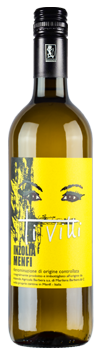
100% Inzolia
•••
The luminous straw-yellow color takes on a greenish hue when the light is just right. The fresh and charming bouquet with scents of white pear, broom, and almond blossoms is an olfactory dream. The palate is well balanced with charming acidity, citrus, and a slice of ripe white fruit on the finish. It is a pleasure to drink.
•••
-
•••GRAPE: Inzolia
SOIL: Calcareous, rich in limestones
VINEYARD: established 2005; grapes from the "La Costa" vineyard on predominantly calcareous soils with a high mineral content
WINEMAKING: Destemming and crushing with 24-hour maceration before fermentation, gentle pressing, and fermentation with native yeasts
FERMENTATION: from a pied-de-cuve of wild yeast.
REFINING: on fine lees in stainless-steel tanks - 4 months.
ADDITIONAL NOTES: Natural wine, Indigenous yeasts, organic wine, contains sulfites, from agricoltura Italia o EU
AVERAGE PRODUCTION: 14.000 bottles/year
‘Ti Vitti, Sicilian: I have seen you
Inzolia is primarily a native Sicilian grape variety. Marilena Barbera’s is a prime example of how delicious it can be when grown properly and made under a focused eye. From the La Costa vineyard in the Belice Valley, this wine has pleasant aromas of fresh blossoms, well balanced with a satisfying amount of natural acidity. It is no wonder that Gambero Rosso awarded it 2 glasses.WINEMAKING: Harvesting at night, when the grapes are crisp and crunchy, is the best way to preserve their fresh aromatic expression and to minimize oxidation phenomena.
Marilena pays the utmost attention to very fast and non-invasive winemaking: the grapes are destemmed immediately after the harvest; after a few hours of pre-fermentative skin contact, the must is softly pressed then decanted at a low temperature in stainless steel vessels. Fermentation is performed exclusively with a wild yeast pied-de-cuve prepared a few days before the harvest.
The wine is refined on its fine lees for about 3/4 months and is then bottled without any fining additives that may alter its unique personality and expressive taste.BOTTLE SIZE: 750 ml
PACK: 12
CLOSURE: Cork
ALC BY VOL(%): 1
RESID. SUGAR(G/L): G/l
LONGEVITY: 3+ years
BAR CODE:•••
-
•••
AWARDS
-
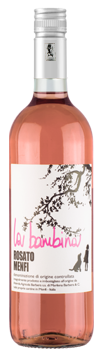
Rosato from Nero d’Avola
•••
Dedicated to strong women. It is a celebration of their power and energy, their tireless motivation in fighting for their beliefs, and their talent for problem-solving despite difficulties and complications.
•••
-
•••GRAPE: Nero d'Avola
SOIL: Calcareous, rich in limestones
VINEYARD: established 2005: on skeletal and calcareous soils near the sea, facing east and west. Organic farming
WINEMAKING: Vin gris (no skin contact, soft pressing)
FERMENTATION: from a pied-de-cuve of wild yeast/ spontaneous
REFINING: on fine lees stainless steel tanks 5 months min.
ADDITIONAL NOTES: Natural wine, Indigenous yeasts, organic wine, contains sulfites, from agricoltura Italia o EU
AVERAGE PRODUCTION: 7.000 bottles/year.
La bambina, Italian: the baby. La Bambina—Marilena’s baby—is a pleasant expression of Nero d’Avola grapes, harvested at night to preserve its freshest, delicate aromas. Its color is a pale, delicate copper with a touch of salmon rose. To the nose, fresh and charming scents of wisteria blossoms merge into fruity tones of wild strawberries, watermelon, and citrus skin. The palate is fresh and well-balanced, with a pleasant and long-lasting finish.
WINEMAKING: Nero d'Avola grapes usually get ripe about the first week of September; it is generally picked a few days in advance to preserve fresher and more delicate aromas, a distinctive feature of La Bambina rosé wine. Immediately brought to the winery, the grapes are destemmed as fast as possible, and the berries are softly pressed with no skin contact: light color and freshness are preserved by decanting the must in stainless steel tanks, and the fermentation starts from a pied-de-cuve of wild yeast. The wine is then refined sur lie for a few months: the lees are manually stirred every week, to reach a satisfying degree of proteic stability with no additives or fining agents.
BOTTLE SIZE: 750 ml
PACK: 12
CLOSURE: Cork
ALC BY VOL(%):
RESID. SUGAR(G/L): G/l
LONGEVITY: 3+ yearsBAR CODE:
•••
-
•••
Made entirely with Nero d'Avola, this wine opens with aromas that recall ripe berry, baking spice and crushed wild flower. The bright savory palate offers raspberry, strawberry, cherry and cinnamon alongside zesty acidity. Delicious and refreshing, it ends on a note of anise.
-Kerin O'Keefe, on Wine Enthusiast
-
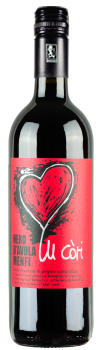
100% Nero d’Avola
•••
Fresh smells of the tropical winds, Sicilian spices, and the Mediterranean Sea. Thanks to mild springs and warm summers, the grapes develop a delicious concentration, a rich and intense body, and ripe fruitiness balanced by its fresh acidity.
GRAPE: Nero d'Avola
SOIL: Calcareous, rich in limestones
VINEYARD: established in 2006, in the heart of the Belicello estate, on clay soil near the sea, facing east and west. Organic farming
FERMENTATION: spontaneous, with wild yeast / spontaneous
REFINING: 6-8 months in steel and, in smaller percentages, in large Slavonian oak barrels
ADDITIONAL NOTES: Natural wine, Indigenous yeasts, organic wine, contains sulfites, from agricoltura Italia o EU
AVERAGE PRODUCTION: 13.000 bottles/yearLu Corí is Corsican: the heart. Typical hot Sicilian summers are not so common in Menfi. Here, the fresh sea breeze creates a microcosm perfect for growing grapes. This is why the grapes are never too ripe or sweet, granting the wine a vibrant, unique personality.
Marilena Barbera’s Nero d’Avola is a brilliant ruby red with a touch of violet. Its bouquet shows marine and spicy perfumes with notes of fully ripe watermelon. On the palate, it is fragrant and full, with soft and velvety tannins. "Lu Còri" has a Mediterranean, salty, and spicy character and a feminine profile, produced in the Menfi area with vinification in steel. It exudes fragrant and delicate red fruits and wild spices aromas, with pleasant mineral nuances reminiscent of the sea. The sip is slender, light, agile and fresh.
WINEMAKING: Nero d'Avola is picked during the first half of September when the tannins reach a perfect phenolic ripeness, and the berries display an intense dark blue color.
The grapes are brought to the winery immediately after the harvest, destemmed and crushed, and then delivered to stainless steel tanks.The fermentation doesn't start immediately because she likes to extract the fresher, fruity aromas from the skins through a short pre-fermentative maceration. This is possible by lowering the tanks' temperature to 50-52 °F, which slows the natural activity of wild yeast until the must is brought again to about 65 °F in 24-36 hours. After cold maceration, the fermentation starts spontaneously and lasts about 6 days. Pumping-overs and déléstages are performed daily to enhance the wine's aromatic complexity.
Malolactic fermentation and refining are also in stainless steel tanks.
The wine is bottled without fining agents or thermic treatments; gentle filtration may be necessary, depending on the vintage.•••
-
•••REGION:
DENOMINATION:
VARIETAL:
VINEYARD:
SOIL:
ALTITUDE:
EXPOSURE:
YIELD PER HECTARE:
TRAINING SYSTEM:
VINIFICATION/REFINEMENT:
DESCRIPTORS:
Color:
Nose:
Taste:PAIRINGS: BOTTLE SIZE: 750 ml
PACK: 12
CLOSURE: Cork
ALC BY VOL(%): 1
RESID. SUGAR(G/L): G/l
LONGEVITY: 3+ yearsBAR CODE:
•••
-
•••
Another good value wine, the 2015 Sicilia Nero d'Avola takes a very direct and immediate approach to the grape. This Nero d'Avola shows the dark olive, caper and rosemary aromas you often get with this grape. The nose is rustic and genuine. Dark berry fruit and wild berry are followed by some scorched earth and sun-dried tobacco. The wine is streamlined and tight with a sour point of cranberry on the nose.
-Monica Larner, Robert Parker's Wine Advocate: Nero d'Avola Sicilia DOC 2015
-
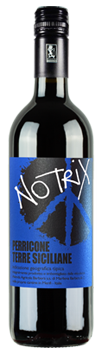
100% Perricone
•••
NoTrix is a vibrant and dynamic red wine that does not need any makeup.
GRAPE: Perricone from Tenuta Belicello, Vigne al Pozzo
SOIL: alluvial clay soil with sandy and silty components
VINEYARD: planted in 2017, vertical shoot positioning, Guyot
WINEMAKING: skin maceration for 6 days in stainless steel tanks
FERMENTATION: spontaneous, with wild yeast + MALO
REFINING: 6 months on fine lees in large neutral Slavonian oak casks
ADDITIONAL NOTES: Natural wine, Indigenous yeasts, organic wine, contains sulfites, from agricoltura Italia o EU
AVERAGE BTLS: 10.000 bottles/year
The vineyard of Notrix Perricone was planted in January 2017 in the western part of Vigne al Pozzo.
At the end of September, the grapes are hand-picked in small baskets and immediately brought to the winery for destemming and crushing.Maceration on the skins lasts about six days, and the must ferments with wild yeast in stainless steel tanks. After soft pressing and spontaneous malolactic fermentation, the wine refines in large neutral Slavonian oak casks for three months.
NoTrix is not fined nor filtered, and it fully develops its personality for 2/3 years after the harvest. It’s a medium-bodied and very easy-drinking red wine. It has a lively ruby color with violet shades. To the nose, a playful bouquet of red berries and geranium flowers meets intense scents of fine herbs and sweet spices. Firm but smooth tannins enrich a medium-bodied palate, with notes of star anise and ginger standing out against a persistent saline background.
NoTrix pairs well with red meats, pasta dishes, and cheeses, and it is a very interesting companion to spicy fish soups and grilled tuna fish. Its delicate, though direct, palate can complement prosciutto crudo, fresh salami, and medium-aged cheeses.•••
-
•••REGION:
DENOMINATION:
VARIETAL:
VINEYARD:
SOIL:
ALTITUDE:
EXPOSURE:
YIELD PER HECTARE:
TRAINING SYSTEM:
VINIFICATION/REFINEMENT:
DESCRIPTORS:
Color:
Nose:
Taste:PAIRINGS: BOTTLE SIZE: 750 ml
PACK: 12
CLOSURE: Cork
ALC BY VOL(%): 1
RESID. SUGAR(G/L): G/l
LONGEVITY: 3+ yearsBAR CODE:
•••
-
•••
Another good value wine, the 2015 Sicilia Nero d'Avola takes a very direct and immediate approach to the grape. This Nero d'Avola shows the dark olive, caper and rosemary aromas you often get with this grape. The nose is rustic and genuine. Dark berry fruit and wild berry are followed by some scorched earth and sun-dried tobacco. The wine is streamlined and tight with a sour point of cranberry on the nose.
-Monica Larner, Robert Parker's Wine Advocate: Nero d'Avola Sicilia DOC 2015
TERROIR SERIES:
❝ A pure expression of my homeland, the deep bond between my vineyards and the place where they belong. ❞ -M. Barbera
From 5 vineyard sites, using 5 indigenous grapes, ending with 5 Cru wines. We happily extend 4 to you.
_____
Marilena on Natural winemaking:
❝ All fermentations start from a pied-de-cuve spontaneously fermented with indigenous yeast.
A few days before the harvest, I pick a small quantity of white grapes, which will undergo spontaneous fermentation with all their skins and stems. When the yeast is strong enough, the pied-de-cuve is manually pressed, and the fermenting juice is used as a starter for the grapes to be harvested during the season. As the harvest season progresses and the winery's environment is contaminated by the energy of natural yeast developed from previous fermentations, it is generally not necessary to use the pied-de-cuve anymore, and the fermentation will occur spontaneously on freshly crushed grapes, without any controls or human intervention.
Malolactic fermentation is also spontaneous, thanks to the naturally occurring lactic bacteria in the must.
Being in Sicily, a hot place, some vintages may require acidity protection or adjustment.
To do so, I use small quantities of unripe grapes, which are manually pressed to extract fresh juice with a high level of acidity, which is added to the wines during alcoholic fermentation. ❞
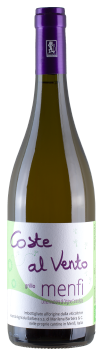
-
100% Grillo
•••
Sicilian for Hillside to the Wind is the perfect title for Marilena Barbera’s
single-vineyard Grillo. It is grown in a low-impact method in the mineral-rich rolling hills of Menfi, a stone’s throw away from the Strait of Sicily. Here, the upper-level westerly winds retreat northward in the summer and produce warm and dry weather with light winds, creating an ideal growing situation for grape growing. Marilena Barbera’s native Grillo categorically
embodies the land it is grown in.•••
-
•••GRAPE: Grillo
SOIL: Clay
VINEYARD: established 2010
WINEMAKING: skin maceration
FERMENTATION: spontaneous, with wild yeast
REFINING: on fine lees in stainless steel tanks
ADDITIONAL NOTES: Natural wine, Indigenous yeasts, organic wine, contains sulfites, from agricoltura Italia o EU
AVERAGE PRODUCTION: 3.300 bottles/year
Fully ripe and expressive fruits meld with the minerality of the rich Sicilian soil and the saltiness of the fair ocean breeze to create a complex white wine of distinguishing taste and vibrant straw color. Hints of grapefruit, pineapple, meadow nettle, and herbs, add layers of intricacy.
WINEMAKING: The Grillo is harvested between the first and second week of September, slightly earlier than full ripening, to preserve its natural acidity and the freshest and more intense varietal flavors.
The grapes are brought to the winery right after the harvest. They are immediately de-stemmed and delivered to stainless steel tanks for a 36-hour pre-fermentative maceration. Then, the must ferments with all the skins in steel tanks for about 7 days. After soft pressing, the fermentation continues without the skins until the wine is bone-dry.
Depending on the vintage, Coste al Vento can undergo a full or a limited malolactic fermentation: under no circumstances will I interfere with its natural evolution, convinced that the wine should represent each vintage's characteristics and terroir's personality. For this reason, and because I do not practice fining nor filtration, Coste al Vento is generally released after a few months in the bottles and acquires more complexity while aging for a couple of years.BOTTLE SIZE: 750 ml
PACK: 12
CLOSURE: Cork
ALC BY VOL(%): 13
RESID. SUGAR(G/L): G/l
LONGEVITY: 3+ yearsBAR CODE:
•••
-
•••
AWARDS
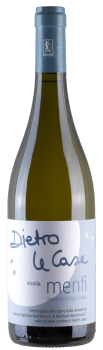
-
100% Inzolia
•••
Behind the houses, the vineyard that gave it its name was hand-planted by Marilena’s grandfather in the 1920s. The property, Tenuta Belicello, was a wedding gift from Marilena’s grandmother’s family.
•••
-
•••GRAPE: Inzolia
SOIL: Calcareous, rich in limestones
VINEYARD: established in the 1920’s
WINEMAKING: pre-fermentative maceration
FERMENTATION: from a pied-de-cuve of wild yeast
ADDITIONAL NOTES: Natural wine, Indigenous yeasts, organic wine, contains sulfites, from agricoltura Italia o EU
REFINING: on fine lees in stainless steel tanks
AVERAGE PRODUCTION: 3.300 bottles/year
Over the past 90 years, the Inzolia plantings have adapted to the soil and climate, slowly and naturally modifying themselves to become different from the last—much like the family that has artfully farmed them. E pluribus unum- out of many, one Marilena Barbera’s
Dietro le Case Inzolia has a rich, complex bouquet of white flowers, perfectly ripe melon, yellow clingstone peaches, cedar, and a touch of wild thyme. Its radiant, bright, strawflower yellow glistens in the glass and possesses a balanced acidity with an intense mineral taste that is the backbone of this delightful wine. It is persistent and pleasing.
WINEMAKING: Harvest in the Dietro le Case vineyard is usually during the first half of September, when the Inzolia grapes reach optimal ripeness. The traditional pruning system, which we call "a pezzo e spalla", and the age of the vines allow for slow, steady ripening cycles and great aromatic concentration.
The grapes are handpicked and immediately brought to the winery, where they are destemmed and macerated for 24 hours with the skins to extract their primary aromas. After soft pressing, the must naturally decants at cold temperatures and ferments with wild yeast in stainless-steel tanks at about 18 °C.
After fermentation, the wine is refined on its fine lees for about five months in steel tanks. Cold stabilization is performed at cold temperatures without any chemical fining additives. Gentle filtration is performed through compostable cellulose layers.
BOTTLE SIZE: 750 ml
PACK: 12
CLOSURE: Cork
ALC BY VOL(%): 1
RESID. SUGAR(G/L): G/l
LONGEVITY: 3+ yearsBAR CODE:
•••
-
•••
AWARDS
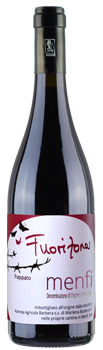
-
100% Frappato
•••
Fuori Zona is a greedy wine, with a transparent ruby color. It has soft tannins and a fresh acidity that underpin its supple, delicate body. The nose offers fruity and floral aromas, with a dominance of cherries, mint, violet, and red roses, while in the mouth, spicy notes of pink pepper, blood orange, and pomegranate are clearly perceptible.
•••
-
•••GRAPE: Frappato planted in Tenuta Belicello, Vineyard Sottostrada
SOIL: medium-textured, deep, with sandy-calcareous components lying on alluvial clay banks
VINEYARD: established in the 1990’s
FERMENTATION: spontaneous, with wild yeasts, with malolactic fermentation, completely carried out
REFINING: on the fine lees for 6 months, in 10 hl barrels. in untoasted Slavonian oak.
ADDITIONAL NOTES: Natural wine, Indigenous yeasts, organic wine, contains sulfites, from agricoltura Italia o EU
AVERAGE PRODUCTION: 2500 bottles/year (208 cases)
ALCOHOL: 12% by vol.
The origins of Frappato date back to the foundation of the Greek colony of Kamarina in 598 BC. Here, this vine, belonging to the Nerelli family, has found, over the centuries, climatic and environmental conditions suitable for a typical and independent evolution from that which took place on the slopes of the Etna. It evolved into the variety we know today and then spread to many areas of Sicily.
It goes well with first courses, such as fish soup and vegetable couscous, swordfish and bluefish, white meats, and cheeses typical of the Menfi area, such as Vastedda and Pecorino primo sale.
BOTTLE SIZE: 750 ml
PACK: 12
CLOSURE: Cork
ALC BY VOL(%): 1
RESID. SUGAR(G/L): G/l
LONGEVITY: 3+ yearsBAR CODE:
•••
-
•••
AWARDS
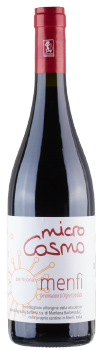
-
90% Perricone + Catanese
•••
Microcosmo is a bright and complex treat. Red ripe fruits partner with the enticing balsamic scents of sweet bay leaf and mellow spices. It is soft and round on the palate, making it an easy wine to enjoy. Velvety tannins and a fresh mineral structure facilitate Microcosmo’s energetic lingering taste. Always a pleaser.
•••
-
•••GRAPE: 90% Perricone and about 10% Catanese [aka, Nerello Mascalese] Single-vineyard
SOIL: alluvial clay soil
VINEYARD: established 2006
WINEMAKING: skin maceration for about 14 days
FERMENTATION: spontaneous with wild yeast
ADDITIONAL NOTES: Natural wine, Indigenous yeasts, organic wine, contains sulfites, from agricoltura Italia o EU
REFINING: French tonneaux and stainless steel tanks
AVERAGE PRODUCTION: 2.500 bottles/year
A homage to the vineyard and all its goodness, nature working together in perfect harmony. Her approach to interfering with this complex structure is light-handed- only assisting when the situation becomes dire. Her low-impact methods pay off. The sustainable farm is most healthy and her wines, especially this Perricone and Nerello Mascalese blend, are always delicious representations of the earth they are cultivated on.
WINEMAKING: The Microcosmo vineyard was planted in January 2007 with old clones of Perricone and Nerello Mascalese (Catanese), mixed to generate that particular varietal complexity that makes this vineyard so fascinating.
Though genetically different, the vines develop a strong interdependence and can reach their full ripening point almost immediately. Therefore, I thoroughly sample the grapes throughout August to understand when it is the best time for harvesting, which is normally due at the end of the month.
Handpicked in small baskets, the grapes are brought to the winery for immediate destemming and crushing. Maceration on the skins lasts about two weeks, and they must ferment with wild yeast in stainless steel tanks at 25-28 °C. After soft pressing, the wines completes its spontaneous malolactic in very used French barriques and then refines in tonneaux for 3 months, and in stainless steel tanks for 1 more year.
The wine is not fined nor filtered and refines in bottles a few months before being released to the market. Although somehow tight and grumpy when very young, Microcosmo loosens up after one or two years and has long aging potential that can fully express the wine's personality after 4/5 years from the harvest.
BOTTLE SIZE: 750 ml
PACK: 12
CLOSURE: Cork
ALC BY VOL(%): 1
RESID. SUGAR(G/L): G/l
LONGEVITY: 3+ yearsBAR CODE:
•••
-
•••
AWARDS
‘HAND-MADE’ SERIES
❝ In a world dominated by industrial processes and homologation, human hands and creativity are the
values we need to come back to. ❞
-M.Barbera
From beginning to end, Marilena uses no machinery or electricity. PUNTO!
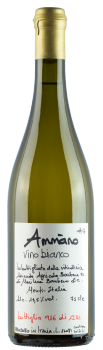
The grapes are destemmed, pressed, and fermented spontaneously with the skins for about 1 week in small steel tanks at uncontrolled temperatures. The stirring of the cap is manual, as is the soft pressing, which is performed with a traditional wooden screw press. The wine is transferred to French tonneaux at the end of the fermentation, and the malolactic fermentation is completed without any enological additives. The wine is not fined or filtered; it is bottled by gravity directly from the barrels, keeping some of the natural sediment, and is corked manually. She then walks it to the shore, rows over the USA, and delivers it herself. Ok, the last sentence is a joke- the rest is real, so very real, with each vintage numbered in the corner.
-
100% Zibibbo
•••
100% handmade from the grape’s picking to the bottling, Ammàno is a craft orange wine, made without machinery but only hands and manual tools. Marilena’s goal is to understand what wine was like centuries ago when there was no electricity or technology in the vineyards and to get closer to a more natural and traditional approach to winemaking.
•••
-
•••GRAPE: Zibibbo grown in Vigna Torrenova
SOIL: clay soil, rich in minerals that provides full ripeness and structure to the grapes
VINEYARD: planted in 2008, vertical shoot positioning, Guyot
WINEMAKING: manual destemming, skin contact for 7 days in steel tanks with manual punching downs
FERMENTATION: spontaneous, with wild yeast / spontaneous
REFINING: 5 months on fine lees in French and neutral Slavonian oak casks
ADDITIONAL NOTES: Natural wine, Indigenous yeasts, organic wineAVERAGE PRODUCTION: between 1.500 and 2.000 bottles/year
With a golden color and a cloudy texture, Ammàno has a bouquet of orange blossoms and yellow broom, apricot notes, and the savory Mediterranean shrub: thyme, marjoram, oregano, and a hint of incense. It is dry and full on the palate, with a distinct saline finish.
Ammàno is made only with grapes and hands.
”It's just a small tribute to those who, before me, have realized how extraordinary the Zibibbo is and how wonderful the wine it gives us. Winemakers have done the job for 20 centuries without pumps, filters, or electricity. To them my gratitude for showing me the way.”Pour Ammàno in wide Chardonnay glasses at a fresh but not chilled temperature.
Please avoid freezing and blast chillers, as well as prolonged storage in your home refrigerator. This wine is not filtered or fined, and any temperature below 40 °F will mortify its complex aromas and cause tartaric precipitations.
For a more enjoyable tasting experience, you may keep the bottle vertically during slow refrigeration, allowing the sediments to collect at the bottom. Every glass of wine will taste different from the other, and you will enjoy a wine that gets richer and richer until the end of the bottle.BOTTLE SIZE: 750 ml
PACK: 12
CLOSURE: Cork
ALC BY VOL(%): 1
RESID. SUGAR(G/L): G/l
LONGEVITY: 3+ yearsBAR CODE:
•••
-
•••
AWARDS
-
100% Alicante
•••
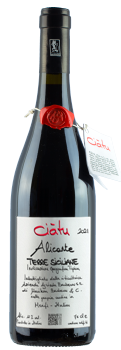
Special note from Marilena: Ciàtu is not only one of my best wines, but it is also dedicated to solidarity, in association with Istituto Walden ONLUS , and supports autistic children. (more info)
Ciàtu is not fined or filtered, which will benefit its structure and longevity if you follow some basic rules for a greatly satisfying tasting. Store the bottle in a horizontal position and let it stand for a few hours before opening to allow the sediments to settle to the bottom. Please pay attention when pouring the last glass, as some sediments may deposit there.
•••
-
•••
GRAPE: Alicante grown in Tenuta Belicello, Vigna del Pozzo
SOIL: alluvial clay soil with sandy components, medium texture, and good fertility
VINEYARD: planted in 2004, vertical shoot positioning, spur pruned cordon- Freestanding, almost 20-year-old vines near the sea on clay and sandy soils facing east and west. Organic cultivation
WINEMAKING: skin contact for 15 days in large neutral Slavonian oak- Destemming, spontaneous fermentation with native yeasts and 2 weeks maceration on the skins in large Slavonian oak barrels. Malolactic fermentation in old barriques. No clarification or filtration
FERMENTATION: spontaneous, with wild yeast / spontaneous
REFINING: 6 m. in large neutral Slavonian oak casks and 1 year in bottles
ADDITIONAL NOTES: Natural wine, Indigenous yeasts, organic wine
AVERAGE PRODUCTION: 4.000 bottles/year
Alicante is a Spanish grape introduced in Sicily during the dominations of the XV-XVI centuries. Grown in several Mediterranean regions, it is also known as Garnacha, Grenache, and Cannonau. The unique microclimate influences this Alicante in Menfi, where the sea brine enhances the grapes' fruity flavors and underlines their natural acidity, enriching the wine's personality with a special saline touch.
WINEMAKING: The harvest occurs about the end of August when the Alicante grapes reach a perfect balance between acidity, ripe tannins, and great aromatic concentration. Taken to the winery immediately after the harvest, the grapes are destemmed and crushed, and the maceration lasts for about two weeks in a large neutral Slavonian oak cask. Manual punching downs are carried out several times a day until the end of spontaneous alcoholic fermentation.
Malolactic is also spontaneous in neutral barriques. After it stops, the wine is returned to the oak cask, where it refines for at least 6 months without any additives or fining agents. Ciàtu is bottled without filtration and will be ready to drink after a minimum of 6-12 months of aging in the bottle.
BOTTLE SIZE: 750 ml
PACK: 12
CLOSURE: Cork
ALC BY VOL(%): 1
RESID. SUGAR(G/L): G/l
LONGEVITY: 3+ yearsBAR CODE:
•••
-
•••
AWARDS
Cantine Barbera
Contrada Torrenova SP 79 - 92013 Menfi (AG) Italy Tel. +39 0925 570442