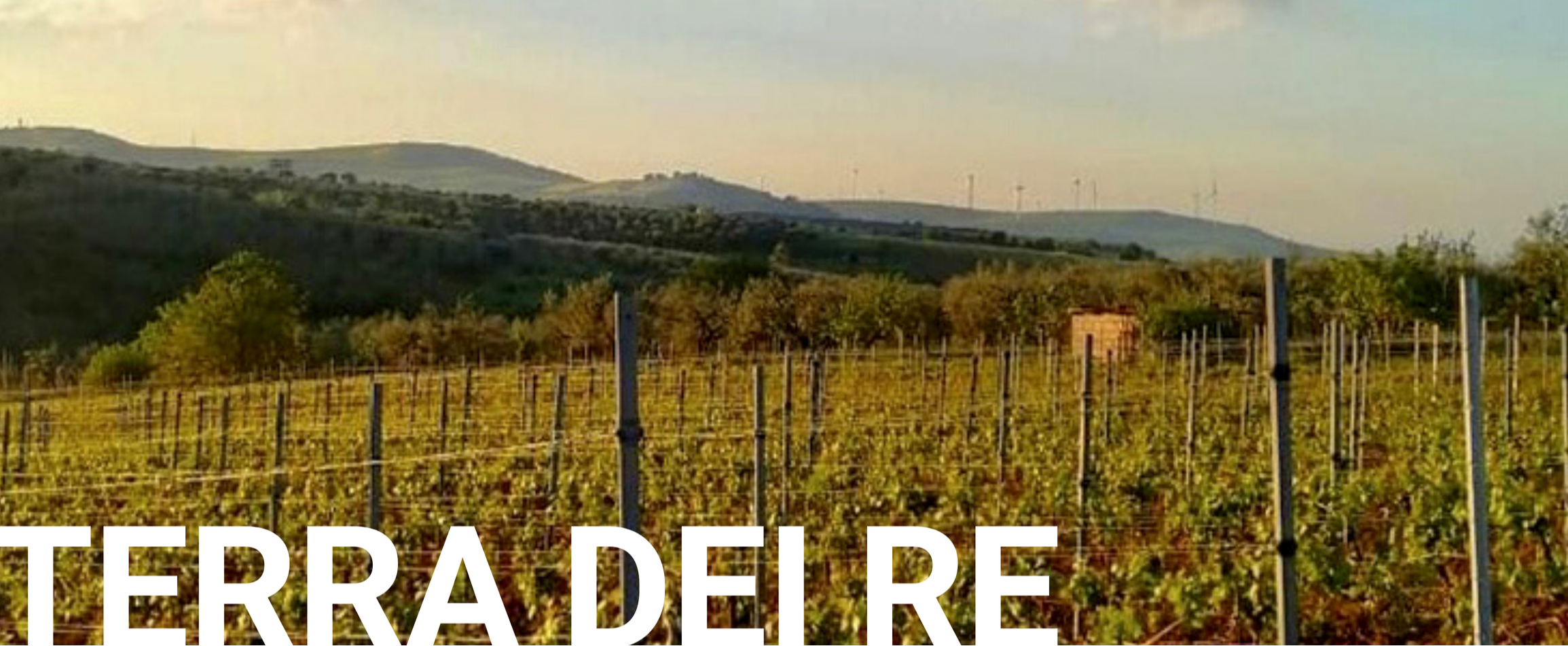
One of the last family-run wineries on Vulture.
It’s not always in your father’s footsteps in poor soil and rugged terrain that you enter the weighty job of a wine producer. Sometimes, it is by request.
Generations of Loene have lived on the slopes near the now-distinct Mt. Vulture, the ankle bone of Italy. Generations have tilled the land, grown Aglianico, lived their lives, made wine, and existed as traditional people of Basilicata. Like their neighbors, they believe in the grape that has become the Barolo of the south. Paride Leone led a comfortable life, having moved away from his ancestors' farming; he built a substantial retail business alongside his brother. Though it was always in the back of his mind was the story of his grandfather - it goes something like this….
-
On the night of Christmas, when the Son of Wine was born, a miracle was performed. It is the story of an ancestor's birth who is saved by a bath in wine. The infant in serious health was risking his life due to a respiratory crisis. In those moments of great excitement, the mother gave orders to the women caring for heating wine Aglianico. Immediately, the child was immersed in a basin of hot wine, and almost miraculously, the newborn baby began to breathe; his cries were sweet sounds for the family. This episode is the beginning of our journey in the world of wine.
It began like this, high in the Apennines near the upper Basento River, east of Salerno, with a story about his grandfather, the father of his mother. In her later years, she insisted that her sons, who made vibrant careers in sales, take a step back to nature and their roots to reclaim the lands of Basilicata and the grape that rules their hills and saved her father. And so it began, in 2000, when Paride Leone and his brother became wine producers, historians, and keepers of the land, pioneering sustainable practices on Mount Vulture.
The study of the soils in their vineyards still reveals the presence of volcanic components, including tufa banks and clay areas. These soils bring great structure and elegance to the wines of TDR. Most vineyards are located at higher altitudes, typically between 400 and 600 meters, though the Pinot Nero 800 is at 800 meters. The Aglianico grape ripens late and is often one of the last non-dessert wine grapes to be harvested in Italy, picked from late October to early November. When yields are kept low, the grape will produce intensely flavored wines.
In their contemporary winery, they combine old-world approaches with current technologies to produce the most pleasing wines possible. They are one of only a handful of independent winemakers from Basilicata. Basilicata wineries, especially in the Mt. Vulture area, are being acquired by major wine conglomerates, and only a few are now owned by the local people. Paride and his team are resurrecting the lands as the wine did with his grandfather.
Who: Paride Leone
Enologist: Riccardo Cotarella
Where: Rionero In Vulture, Potenza • Basilicata - Italy
Founded: 2000
Land: 400- 800 meters above sea level
Grapes: Aglianico, Pinot Nero, Malvasia
Appellation: Vulture DOCG, Vulture DOC, Basilicata IGP
Viticulture: Sustainable practice
Training system: Espalier
Like all Aglianico grape varieties, Aglianico del Vulture has ancient origins,
and it is believed to have been introduced to southern Italy by the Greeks in the 7th or 6th century BC. A wine press from the Roman era has been discovered in the area of Rionero in Vulture, and a bronze coin depicting the deity Dionysus has also been found.
Some of the literary references about the history of Aglianico del Vulture have been left by Horace, the Roman poet born in Venosa,
who celebrated the beauty of his native land and the quality of the wine.
At least one source claims that after defeating the Romans in 212 BC, Hannibal
sent his soldiers to Lucania to recuperate with the wines of the Vulture.
. . . under construction
. . . under construction